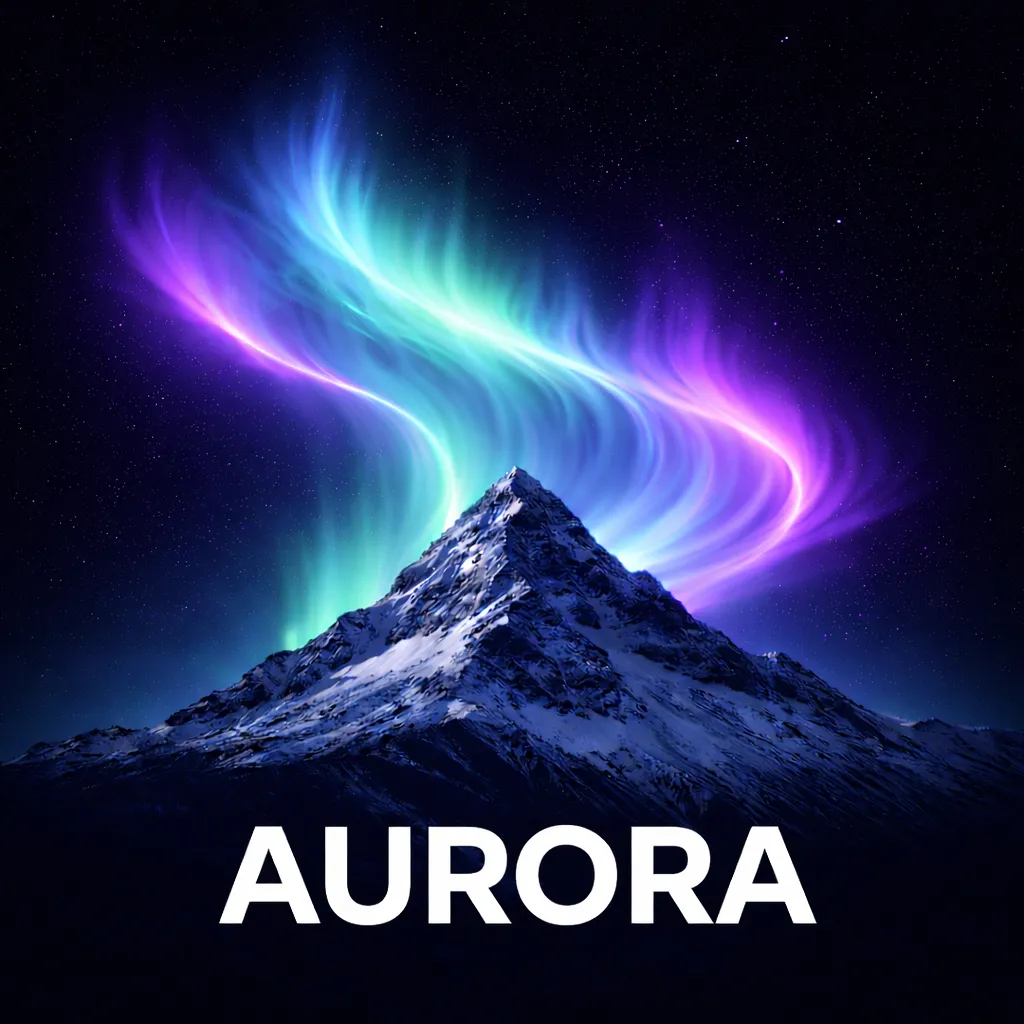
The Aurora Australis is real, beautiful and far less crowded than the Northern Lights. It is also harder to plan because the southern auroral oval spends much of its time over ocean and Antarctica. The best locations are not only the farthest south; they are the places where darkness, access, weather routing and a clean southern horizon can realistically meet.
How We Reviewed This Guide
- This guide prioritizes accessible land-based Southern Lights locations with realistic infrastructure and safety considerations.
- Location recommendations consider latitude, horizon, weather volatility, darkness and practical travel access rather than latitude alone.
- Aurora Hunt is referenced only as a disclosed first-party workflow example for monitoring the southern oval and local cloud cover.
Primary Sources
- Australian Space Weather Forecasting Centre — Regional space-weather reference for Australian and New Zealand aurora alerts.
- DarkSky International map — Useful for broad dark-sky planning.
- NOAA Space Weather Prediction Center — Global geomagnetic storm and aurora context.
Editorial Note
Aurora Hunt is our own product. This article answers a practical where-to-see query first; Aurora Hunt mentions are disclosed first-party workflow examples.
Local decision check before you chase
Treat every aurora guide as a decision workflow, not as a promise that the lights will appear. Start with the geomagnetic signal, then check whether the active window overlaps true darkness, then decide if cloud cover, moonlight, terrain and safety make the trip worthwhile from your exact location.
For high-latitude destinations a modest Kp can be useful when the sky is dark and clear. For mid-latitude and low-latitude markets, the same number can be meaningless unless Bz stays southward, the storm arrives during local night and the northern or southern horizon is unobstructed. This is why Aurora Hunt pages separate routine aurora regions, rare storm-visible regions and southern-light locations.
After any observation, compare the time, viewing direction, camera settings and local weather with magnetometer and solar-wind data. That habit prevents common false positives: city glow, thin cloud, airglow, lens colour shifts and social-media reports that were recorded hundreds of kilometres away.
- Kp and short-term trend
- Bz direction and solar-wind speed
- Cloud cover and moonlight
- Open horizon and dark-sky safety
What Makes a Good Southern Site
A good Aurora Australis site has four traits: it is far enough south, dark enough, open to the southern horizon and reachable safely when a storm arrives. Latitude alone is not enough. A place can sit beautifully far south and still fail if mountains, cloud, sea fog or city glow block the important direction.
Southern Lights are often low from populated land. That means the best sites are frequently beaches, peninsulas, lake shores and open headlands. You want the aurora side of the sky to be clean. In the south, that usually means looking toward Antarctica, not toward the nearest city.
Weather is the other major difference from many northern destinations. Tasmania, New Zealand and Patagonia all sit in energetic maritime weather zones. Fast-moving cloud can create opportunities and failures within the same night. The best chasers plan routes, not just viewpoints.
Another useful test is whether the location works at night without perfect conditions. Is there safe parking? Can you set up away from traffic? Is mobile coverage available, or do you have offline maps? Can you leave if wind or cloud worsens? Southern Lights chasing often happens on remote coasts, so a technically good horizon is not enough if the logistics are poor.
For most practical Southern Lights viewing, an unobstructed southern horizon is non-negotiable. If your southern view is blocked, the event may be happening and still be invisible.
| Destination type | Best advantage | Main risk |
|---|---|---|
| South-facing coast | Clean horizon over water and fewer foreground obstructions for low arcs. | Wind, surf, sea spray and fast-moving low cloud can make a strong forecast unusable. |
| Dark lake or open inland site | Less ocean spray, useful reflections and often easier parking in calm weather. | Terrain or tree lines can block the southern horizon if the aurora stays low. |
| Remote high-latitude base | Better magnetic geometry and darker skies during the southern winter. | Limited roads, severe weather and fewer safe route options after midnight. |
Tasmania, Australia
Tasmania is the most accessible Southern Lights base for many travelers because it combines southern latitude, road access, dark coastlines and a strong local aurora community. Hobart is not a perfect dark-sky site, but it gives quick access to better horizons.
The South Arm Peninsula is popular because it is reachable from Hobart on short notice. Bruny Island offers darker south-facing beaches, though ferry logistics matter. Cockle Creek is one of the farthest-south road-accessible points in Australia and can be excellent for photography when weather cooperates. The west and south coasts can be spectacular, but road distance and weather exposure increase risk.
Tasmania is often a photography-first destination. During moderate storms, the camera may show magenta, red or green before the naked eye sees dramatic color. A strong storm can become visually obvious, but avoid promising Iceland-style overhead curtains from every alert.
For first-time visitors, Hobart is a practical base because you can wait for an alert and move quickly. For dedicated photographers, a longer south-coast plan can be stronger, but it requires patience with weather and road time. The best Tasmanian site on one night may not be the best the next night; wind direction and cloud edge matter.
New Zealand South Island and Stewart Island
New Zealand offers some of the most beautiful Southern Lights foregrounds on Earth: lakes, mountains, rugged coast and the Milky Way over dark southern skies. The key is choosing sites that look south and are not blocked by terrain.
Stewart Island / Rakiura is the strongest practical candidate because it sits farthest south and has cultural association with "glowing skies." The Catlins and southern coastlines can work well when weather opens. Around Lake Tekapo and Aoraki Mackenzie, the dark-sky environment is excellent, but the view direction and terrain need careful thought because the aurora may sit low to the south.
Queenstown and Wanaka can see aurora during stronger events, especially for photographers, but mountains can block the low southern display. Do not choose a scenic mountain bowl if the southern horizon is hidden. For Southern Lights, the postcard foreground is useful only if it does not block the signal.
New Zealand also rewards scouting before the storm. Visit potential sites in daylight, note where the south is, check whether car headlights will sweep across your frame and identify safe pullouts. During an active storm, you should not be discovering cliff edges, private roads or lake access in the dark.
Patagonia and Tierra del Fuego
Patagonia reaches remarkable southern latitudes. Ushuaia, Punta Arenas and Tierra del Fuego have geometry that can be excellent during strong storms. The challenge is weather. Wind, cloud and rapidly changing ocean systems can make forecasting harder than the map suggests.
In Patagonia, treat aurora chasing as a flexible weather-routing exercise. You may need to move between coastal gaps, open viewpoints and sheltered roads. Mountain scenery is dramatic, but mountain weather can trap cloud exactly where you want a clear southern sky.
Expect colder, windier, more operationally demanding nights than Tasmania or many New Zealand sites. If you are traveling, build buffer days. If you are local, watch for strong storm alerts and be ready to use short clear breaks rather than waiting for a perfect all-night forecast.
Patagonia can also produce confusing cloud breaks. A valley may look clear while the southern horizon stays blocked by distant cloud over the water. Use satellite imagery and local wind forecasts, then choose viewpoints that give you room to move if the first location fails. Strong aurora potential does not remove the need for weather discipline.
Subantarctic and Antarctic Reality
Antarctica and subantarctic islands are closer to the southern auroral oval, but they are not realistic casual viewing destinations. Antarctic tourism mainly runs in southern summer, when daylight is long and aurora visibility is poor. Winter, when the aurora can be extraordinary, is largely restricted to scientific personnel.
Subantarctic islands can sit under better auroral geometry, but access is limited, weather is severe and trips are not designed around aurora chasing. For most readers, Antarctica is important as the scientific home of Aurora Australis research, not as a trip-planning answer.
The practical destination list therefore remains Tasmania, southern New Zealand and parts of Patagonia. They are not perfect, but they are reachable, dark enough in season and capable of rewarding strong storms.
For most travelers, that is good news. You do not need to reach Antarctica to experience Southern Lights. You need a realistic southern base, a few nights of flexibility and the humility to let weather choose the exact spot. The experience may be quieter than a northern tour hub, but that quiet is part of the appeal.
Weather Routing and Safety
The Southern Ocean produces fast, messy weather. A general forecast of "partly cloudy" is not enough. Check low cloud, satellite loops, wind direction, moonrise, moonset and the specific horizon you plan to face. A small clear slot over the south can beat a famous viewpoint under low cloud.
Safety rules are not optional. Coastal rocks, surf, wind, remote roads and cold nights all matter. Do not stand near unstable cliffs or wet rocks in the dark. Tell someone where you are going. Keep a return deadline. If the forecast window requires a long drive after midnight on unfamiliar roads, choose a closer site.
Moonlight can help with safety and foregrounds but hurt faint aurora contrast. If the moon is bright, choose stronger forecast windows or compositions where moonlit landscape is a feature. If the moon is absent, bring a red headlamp and move slowly; dark adaptation helps your eyes, but it does not protect you from uneven ground.
A Practical Southern Chase Plan
Use a simple plan. First, watch for Kp and Bz strong enough for your region. Second, choose two or three south-facing sites within safe range. Third, compare cloud movement rather than only cloud percentage. Fourth, decide whether the night is visual, photographic or not worth the drive. Fifth, arrive before the strongest forecast window so you are not setting up during the display.
If the forecast is strong but the sky is uncertain, shorten the drive and choose a site with multiple escape options. If the sky is excellent but activity is weak, treat the outing as scouting or night photography. If both activity and sky align, be ready early, because Southern Lights can brighten and fade before a late-arriving chaser has finished focusing the camera.
Choose beaches, lakes, headlands or open plains with no hills, trees or city glow to the south.
Favor April to September for useful darkness, with March and September often interesting near equinox periods.
Southern ocean weather changes quickly. Keep multiple sites in range instead of betting on one famous viewpoint.
If you want one workflow for the southern oval and local cloud cover, Aurora Hunt is our disclosed first-party example. The main principle applies with any tool: Southern Lights success comes from matching space weather with a reachable dark southern horizon.
For Tasmania, New Zealand and Patagonia, do not chase only the highest Kp number. Chase the overlap of activity, darkness, clear sky and a clean south-facing view.
About the Author
AuroraHunt Space Weather Team
The AuroraHunt data science and meteorology team translates complex NOAA space weather models into actionable forecasts for chasers worldwide.