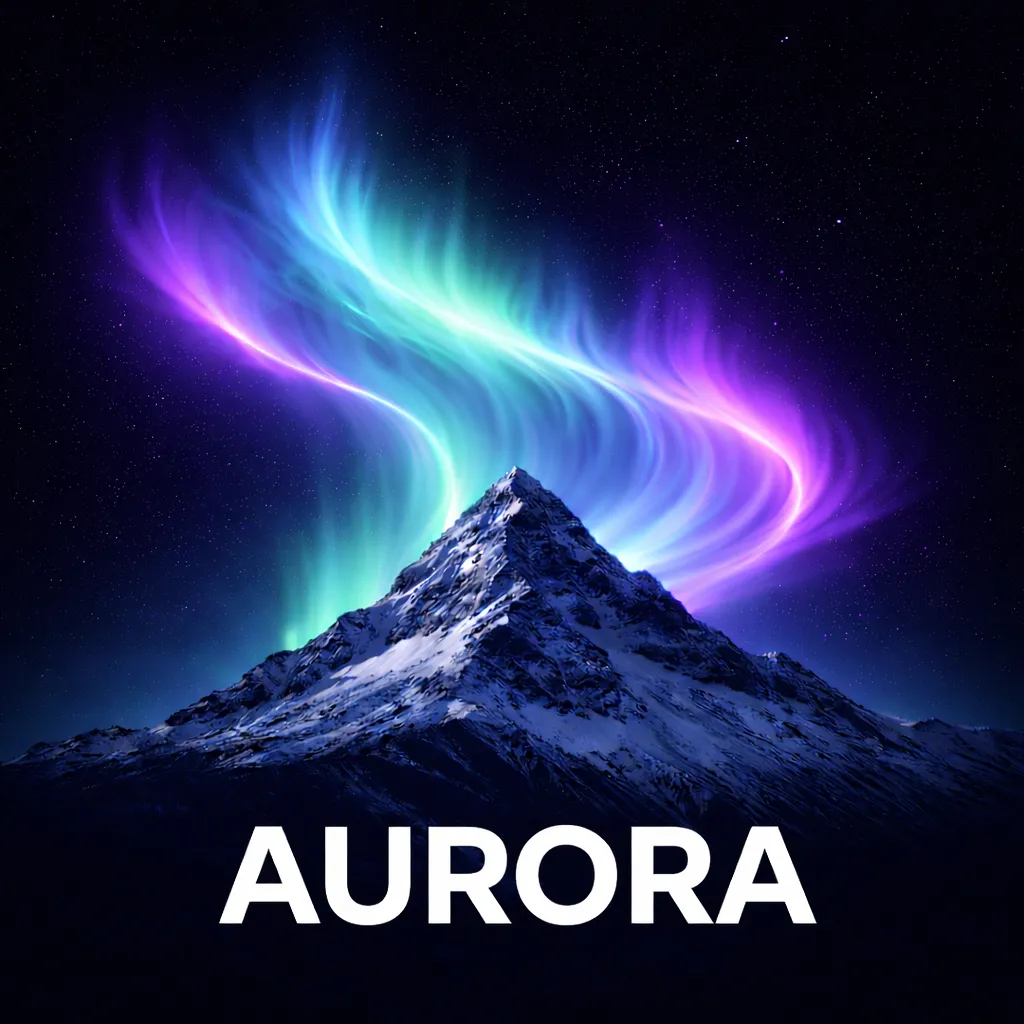
The Yukon is one of Canada's most rewarding aurora regions because it combines high-latitude sky, road-access wilderness, mountain foregrounds and a practical base in Whitehorse. It is not a guaranteed every-night show: cloud, cold, winter roads and distance still shape the trip.
How We Reviewed This Guide
- This guide separates the Yukon into realistic chase modes: Whitehorse access, mountain routes, Dawson-area viewing and remote road corridors.
- Aurora expectations are framed as high-latitude but still weather-dependent, avoiding guaranteed-night language.
- Safety and cultural context are included because Yukon viewing often happens on remote roads, near communities and across lands with deep Indigenous history.
Primary Sources
- Travel Yukon — Official visitor information for routes, lodges and communities.
- Yukon 511 — Road condition updates for winter driving.
- Space Weather Canada — Canadian geomagnetic forecast context.
Editorial Note
Aurora Hunt is our own product. Mentions of Aurora Hunt in this guide are disclosed first-party workflow recommendations rather than an independent editorial ranking.
Local decision check before you chase
Treat every aurora guide as a decision workflow, not as a promise that the lights will appear. Start with the geomagnetic signal, then check whether the active window overlaps true darkness, then decide if cloud cover, moonlight, terrain and safety make the trip worthwhile from your exact location.
For high-latitude destinations a modest Kp can be useful when the sky is dark and clear. For mid-latitude and low-latitude markets, the same number can be meaningless unless Bz stays southward, the storm arrives during local night and the northern or southern horizon is unobstructed. This is why Aurora Hunt pages separate routine aurora regions, rare storm-visible regions and southern-light locations.
After any observation, compare the time, viewing direction, camera settings and local weather with magnetometer and solar-wind data. That habit prevents common false positives: city glow, thin cloud, airglow, lens colour shifts and social-media reports that were recorded hundreds of kilometres away.
- Kp and short-term trend
- Bz direction and solar-wind speed
- Cloud cover and moonlight
- Open horizon and dark-sky safety
Yukon Aurora Reality Check
The Yukon is a true aurora destination, but it should be described with precision. It sits far enough north that the aurora can appear on ordinary active nights, especially from late August through April. You do not need a historic geomagnetic storm the way you would in the southern United States or central Europe. Still, a trip is not automatically successful just because the latitude is good. Clouds, moonlight, cold, fatigue and road conditions can all decide whether a visitor actually sees the sky.
The territory's appeal is different from Yellowknife or Churchill. Yellowknife is flatter and more infrastructure-driven. Churchill is remote and subarctic. The Yukon is a road-access wilderness aurora region with mountains, valleys, cabins and long dark highways. Whitehorse makes it approachable, while Kluane, Tombstone and Dawson City add adventure for travelers who plan carefully. This variety is the strength of the Yukon, but it also means there is no single best spot for every traveler.
Set expectations by travel style. A first-time visitor should use Whitehorse as a base and book at least one guided night or lodge stay. A confident winter driver can explore dark lakes and pullouts outside the city. A landscape photographer may plan a longer route toward Kluane or Dawson. A casual tourist should not assume that renting a car and driving randomly into the dark is the best way to experience the northern lights.
Whitehorse as the Practical Base
Whitehorse is the easiest Yukon gateway because it has flights, hotels, restaurants, outfitters, guides and rental vehicles. It also has enough light pollution that you should not judge the night from downtown. The good news is that darkness arrives quickly outside the city. Guided tours typically drive to lakes, clearings or cabins where the northern horizon is cleaner and visitors can wait in warmth. For many people, that is the best first night: learn the local weather rhythm, understand cold management and avoid making winter road decisions while tired from travel.
DIY viewing near Whitehorse can work well when done conservatively. The goal is not to drive as far as possible. It is to find a safe, legal, dark place with open sky and an easy return. Scout in daylight if you can. Check parking, road shoulders and phone coverage. A lake, ridge or open valley can be excellent, but a narrow icy roadside with passing headlights is not. The aurora may be overhead, yet comfort and safety still decide whether you stay long enough to see the best pulse.
| Yukon route | Best for | Aurora strength | Main planning risk |
|---|---|---|---|
| Whitehorse outskirts | First-time trips | High when clear | City glow and casual site choice |
| Kluane region | Mountain photography | High, weather-dependent | Distance, wind and road conditions |
| Dawson City | Historic northern base | Very strong when clear | Long travel from Whitehorse |
| Tombstone/Dempster | Experienced road travelers | Excellent under clear sky | Remote services and winter exposure |
Kluane, Tombstone and Dawson City
Kluane country gives the Yukon its dramatic mountain identity. The area around Haines Junction and Kluane National Park can produce spectacular foregrounds, but it is not always the easiest aurora choice. Mountains create weather, wind and horizon tradeoffs. A low aurora can hide behind terrain, while an overhead display can be unforgettable. Kluane is best for travelers who want a broader wilderness trip and are willing to accept weather uncertainty for scenery.
Dawson City is a different kind of aurora base. It is farther north, historically rich and surrounded by broad dark landscapes. Midnight Dome is a famous elevated viewpoint, but road conditions and weather should be checked before any night drive. Dawson is not a quick side trip from Whitehorse; it is its own itinerary. If you commit to it, allow enough nights to absorb cloud and travel disruption.
The Tombstone and Dempster corridor can be extraordinary for prepared travelers. It also deserves respect. Services are limited, weather can change fast, and winter conditions can be severe. This is not the place to improvise because a social media photo looked good. If you are not equipped for remote northern roads, choose a lodge or guided experience instead.
Best for first-time visitors who want hotels, flights, rental cars and guided options within a short drive of dark viewpoints.
Best for mountain foregrounds and wilderness atmosphere. Weather and distance make it better as a planned trip than a casual late-night detour.
Best for experienced road travelers seeking dramatic northern landscapes. Road conditions and services require serious preparation.
Best for a historic northern base with elevated views. It is remote from Whitehorse, so treat it as its own itinerary.
Best for staying warm, avoiding road stress and waiting long enough for the sky to improve.
Road-Access Dark Sky Strategy
The Yukon's road access is a gift, but it can lure visitors into over-driving. A successful aurora night does not require maximum distance. It requires clear sky, darkness, a safe stopping point and enough warmth to wait. Plan two or three candidate sites before dark. Use cloud maps and local reports to choose among them. If one location is foggy or windy, move only if the next choice is clearly safer and better.
Do not stop in travel lanes, blind corners or private driveways. Turn off unnecessary lights after parking. Use a red headlamp when walking near other observers. If you are photographing, set up where tripods will not block vehicle movement or other people. Yukon aurora viewing often happens in quiet places near communities, cabins and traditional lands; good etiquette matters.
Weather, Cold and Winter Driving
Cold in the Yukon can be a trip-defining factor. Dress for standing still, not for walking from a car to a restaurant. Insulated boots, mitts, base layers, face protection and a serious parka are normal aurora gear. Camera batteries should stay warm until needed. Phone batteries can drop quickly. If you are driving, carry emergency clothing and supplies in the vehicle, not only at the hotel.
Winter driving requires humility. Check road reports, use winter tires, keep fuel margin and avoid remote roads if you are already tired. Wildlife can appear on dark highways. Snow, ice and wind can change a road that felt simple in daylight. The best aurora plan is the one that gets you home safely even if the sky never clears.
The Yukon has excellent aurora potential, but remote roads, cold and changing weather are real. Choose guided viewing if winter driving is outside your comfort zone.
Culture, Land and Local Respect
The Yukon is not just a scenic backdrop. It is home to First Nations communities, living cultures and lands with long histories. Aurora visitors should treat local places with respect: stay on public access routes, avoid trespassing, follow community guidance, and be mindful when photographing near homes, cultural sites or gatherings. If a lodge or guide shares local stories, listen as a guest rather than treating them as decorative content for a travel checklist.
This also matters for practical quality. Local operators understand which roads are safe, where visitors are welcome, and how weather behaves in specific valleys. Their knowledge can save a night. A native-quality guide should not reduce the Yukon to "cabins and green lights." The destination is richer than that.
Yukon Forecast Workflow
For the Yukon, start with cloud and darkness, then use space weather to estimate intensity. At this latitude, you can watch the sky on many clear winter nights even if Kp is not extreme. A negative Bz and rising solar wind speed can turn a quiet arc into an active display, but a clear sky is still the first gate. If clouds cover Whitehorse, check whether clearing is likely toward lakes, higher ground or a different valley before driving.
Plan for patience. Aurora can appear as a faint band, fade, then break into curtains later. If you are warm and parked safely, waiting is easy. If you are cold, exposed and anxious about the road, you will leave too early. Use alerts to know when activity increases, but let local sky and safety decide where you stand.
Use Whitehorse for access, Kluane or Dawson for deeper trips, and guided lodges when comfort matters. Aurora Hunt can help track live activity, but Yukon success comes from clear sky, safe roads and enough warmth to wait.
About the Author
AuroraHunt Space Weather Team
The AuroraHunt data science and meteorology team translates complex NOAA space weather models into actionable forecasts for chasers worldwide.