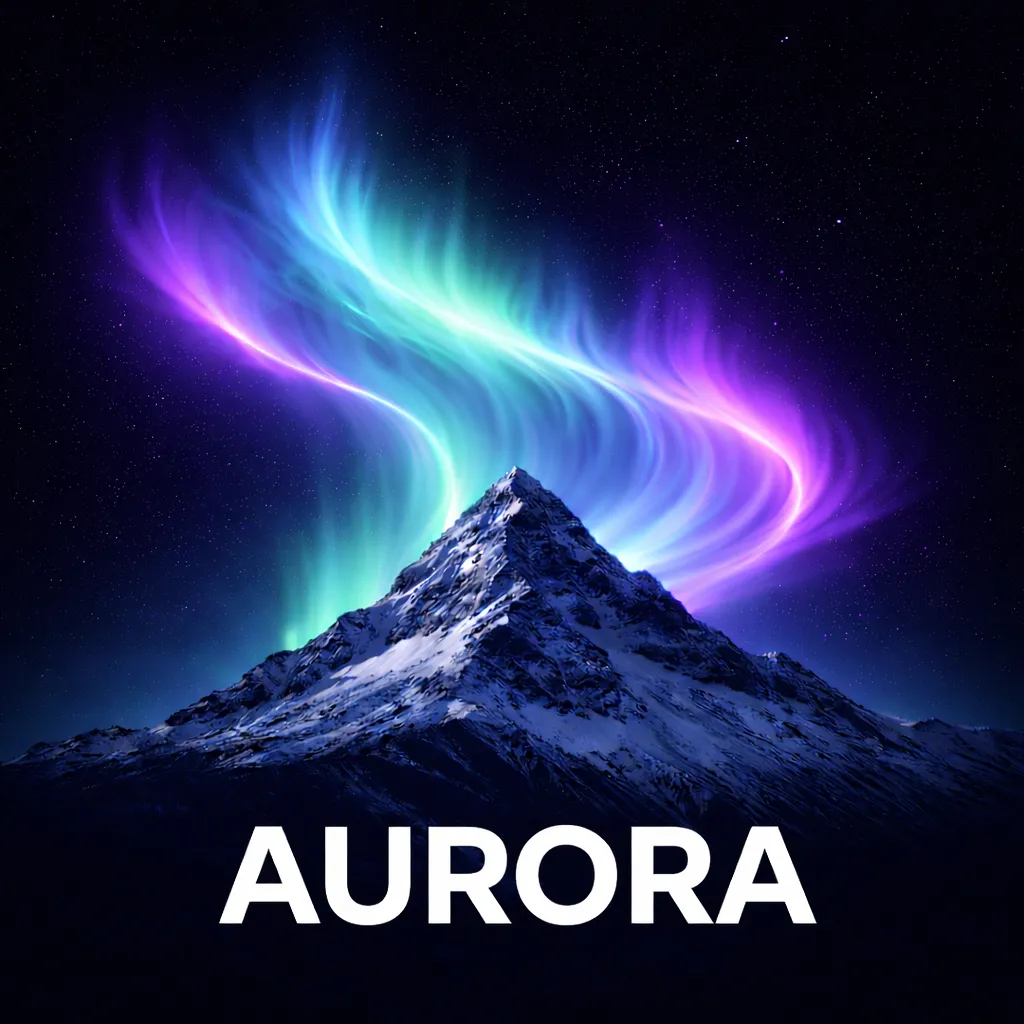
Shetland is the strongest UK region for northern lights because it sits around 60 degrees north with dark island horizons and local tradition around the Mirrie Dancers. It still requires active space weather and clear sky, and the real challenge is often Atlantic cloud, wind, ferry or flight logistics, and finding a safe north-facing viewpoint.
How We Reviewed This Guide
- This guide treats Shetland as the UK strongest aurora geography while avoiding claims of guaranteed nightly displays.
- Local terminology is used carefully: Mirrie Dancers is part of Shetland context, not a generic keyword pasted onto all UK pages.
- Travel, wind, cliffs, ferries and island weather are included because they materially affect whether visitors can observe safely.
Primary Sources
- Shetland.org — Official visitor information for Shetland travel and local context.
- Shetland Webcams — Useful live weather and sky checks around the islands.
- Met Office Space Weather — UK space weather forecast context.
Editorial Note
Aurora Hunt is our own product. Our recommendation to use it for tracking space weather is provided to help simplify your hunting workflow, not as an independent review.
Local decision check before you chase
Treat every aurora guide as a decision workflow, not as a promise that the lights will appear. Start with the geomagnetic signal, then check whether the active window overlaps true darkness, then decide if cloud cover, moonlight, terrain and safety make the trip worthwhile from your exact location.
For high-latitude destinations a modest Kp can be useful when the sky is dark and clear. For mid-latitude and low-latitude markets, the same number can be meaningless unless Bz stays southward, the storm arrives during local night and the northern or southern horizon is unobstructed. This is why Aurora Hunt pages separate routine aurora regions, rare storm-visible regions and southern-light locations.
After any observation, compare the time, viewing direction, camera settings and local weather with magnetometer and solar-wind data. That habit prevents common false positives: city glow, thin cloud, airglow, lens colour shifts and social-media reports that were recorded hundreds of kilometres away.
- Kp and short-term trend
- Bz direction and solar-wind speed
- Cloud cover and moonlight
- Open horizon and dark-sky safety
Shetland Aurora Reality Check
Shetland gives UK aurora hunters their best geography. Around 60 degrees north, with dark skies and open sea horizons, it can see displays at lower thresholds than mainland Britain. A Kp 3 or 4 event may be worth watching from Shetland when the same forecast would be weak for England. A Kp 5 event can become very exciting if Bz is favorable and clouds clear. That said, Shetland is still not Tromso or Iceland. Quiet solar wind, heavy cloud or a bright moon can still produce a blank night.
The biggest Shetland challenge is not light pollution. It is weather. Atlantic systems move fast, winds can be fierce, and cloud can cover one part of the islands while another has a brief clear slot. A successful trip needs mobility, local weather awareness and enough time on the islands to absorb cloud. If you visit for one night and the sky is overcast, the latitude cannot help you.
Shetland is strongest for travelers who want the best UK odds without leaving the country, photographers who can handle wind and sea spray, and aurora chasers who are comfortable planning around island logistics. It is less suitable for people who need guaranteed skies, easy late-night transport or calm winter weather.
Compared with mainland Scotland, Shetland has a better latitude but fewer easy escape routes. If cloud covers the islands, you cannot drive to another region of Britain. Your flexibility is local: north Mainland, south Mainland, west side, east side, or an inter-island move if timing allows. That makes a multi-night stay much more valuable than a single-night ferry gamble.
Mirrie Dancers and Local Context
In Shetland, the northern lights are often called the Mirrie Dancers. The term belongs to local culture and dialect, so it should be used with care rather than as a decorative tourism label. Seeing the Mirrie Dancers is not just a checklist item; it is part of a wider island context shaped by sea, weather, Norse heritage, local communities and dark winter nights.
Respect that context when you visit. Do not block roads or farm access for a photo. Keep lights low near homes and harbors. Avoid treating local places as props. If a viewpoint is unsafe in wind or darkness, move. Shetland's aurora appeal comes from the islands themselves, and good visitors leave them quieter than they found them.
| Shetland area | Best use case | Strength | Main risk |
|---|---|---|---|
| Eshaness | Dramatic north-coast foregrounds | Open sea horizon | Cliffs and wind |
| Unst | Maximum UK latitude | Dark northern exposure | Inter-island logistics |
| St Ninian's area | Sand, water and reflections | Photogenic foreground | Tide, wind and access |
| Sumburgh/south Mainland | Flexible cloud routing | Good when south clears | Less pure northern sea view |
Best Shetland Viewpoints
Eshaness is one of the most dramatic aurora areas, with volcanic cliffs and a strong northern aspect. It is also a place where safety must come first. High wind, darkness and cliff edges are a serious combination. Stay well back from drops and use known paths only. Unst offers the northernmost UK experience, with beaches and open horizons that are excellent when weather cooperates. It requires more logistics because of inter-island travel, so do not plan it as a casual last-minute move unless ferry timing and roads make sense.
St Ninian's Isle and nearby areas can create beautiful foregrounds with sand and water, especially when the aurora is bright enough to reflect. Check tides and wind. Sumburgh and southern Mainland can be useful when the south has a clear slot, and the lighthouse foreground is strong, but the viewing geometry is different from a pure north-coast site. The right Shetland location is usually the one with the clearest sky and safest access that night, not the one with the most dramatic postcard.
Dramatic northern exposure and strong foregrounds, but cliffs and wind require extreme caution after dark.
The UK's northern edge, with excellent dark horizons around Skaw, Hermaness and northern beaches when weather cooperates.
Photogenic sand and sea foregrounds, best used when wind, tide and access are safe.
Useful when cloud breaks in the south, though you may be looking back over land rather than pure northern sea.
Practical weather-check tools. In Shetland, a few miles can separate cloud from a clear slot.
Atlantic Weather and Wind Safety
Weather is the main Shetland gatekeeper. Cloud can move quickly, and wind can make photography difficult even when the sky is technically clear. Use local webcams, Met Office cloud, radar and real-time observations. A forecast may show partial cloud, but the practical question is whether a clear slot will pass over your chosen horizon during the active aurora window.
Wind changes safety. A tripod can shake, sea spray can coat lenses, and cliffs can become dangerous. Do not stand near exposed edges in darkness. Weigh down the tripod, use a lower setup when possible, and keep lens cloths ready. If the wind is too strong, use the car as shelter or choose a less exposed site. A faint aurora photo is not worth a fall or a damaged camera.
Because weather changes so quickly, make decisions in layers. First decide whether the island group has any clear slot at all. Then choose the safest region within that slot. Only then choose the foreground. This order prevents a common mistake: driving to the dramatic cliff first and only later discovering that the clear sky was ten miles away over a safer beach or harbor.
Many Shetland viewpoints are exposed. Scout in daylight, stay well back from edges, and choose safer inland or harbor-adjacent views when wind is severe.
Ferry, Flight and Car Logistics
Most visitors reach Shetland by flight or the overnight ferry from Aberdeen. Both are weather-sensitive enough that flexible planning helps. Once on the islands, a car is extremely useful for aurora chasing. Public transport will not reliably get you to dark viewpoints late at night, and taxis are not a practical cloud-routing strategy.
If you plan to chase on Unst or other northern islands, understand ferry schedules and overnight constraints before committing. A clear sky on Unst is not useful if you cannot get there and back safely. For a short trip, Mainland Shetland may be the best balance. For a longer trip, build in time for northern islands and weather delays.
Accommodation location matters. Staying in or near Lerwick is convenient for food and services, but you will usually drive out for darker skies. Staying farther north can reduce night driving but may limit dining and backup options. Choose based on your confidence with rural roads, not only the map distance to the most northerly point.
Season and Photography Strategy
The useful Shetland aurora season runs from roughly late September through March. Summer's simmer dim keeps the sky too bright for faint displays. October through March gives longer darkness, though winter weather can be rough. January and February offer long nights, while March can combine useful darkness with equinox-season activity. If you are traveling mainly for aurora, stay multiple nights.
Photography should be practical. Use a sturdy tripod, manual focus, a wide lens and test exposures around 5-10 seconds. If the aurora is fast, shorter exposures preserve structure. If it is faint, slightly longer exposures may reveal color. Keep ISO moderate enough to avoid noisy clouds and sea haze. Expect wind. Pack gloves that allow camera operation and keep batteries warm.
Shetland Forecast Workflow
Start with cloud and wind, then evaluate space weather. Shetland's latitude makes moderate activity worth watching, but a completely overcast sky still wins. If Bz is southward, solar wind is active and webcams show stars in any part of the islands, choose the safest clear region with a northern horizon. If clouds are broken, stay mobile but do not chase tiny gaps across risky roads or ferry constraints.
When outside, look north and use the camera early. A low arc may be subtle before it brightens into pillars. If the camera confirms color, stay patient. If cloud closes in, use local webcams to decide whether a short move makes sense. The best Shetland aurora nights are often a mix of waiting, moving a little, waiting again and being ready when a clear slot lines up with activity.
Shetland has the UK's best aurora geography, but the night still belongs to cloud and wind. Use local webcams, choose safe north-facing viewpoints, and treat the Mirrie Dancers as a multi-night island chase rather than a one-night guarantee.
About the Author
AuroraHunt Space Weather Team
The AuroraHunt data science and meteorology team translates complex NOAA space weather models into actionable forecasts for chasers worldwide.