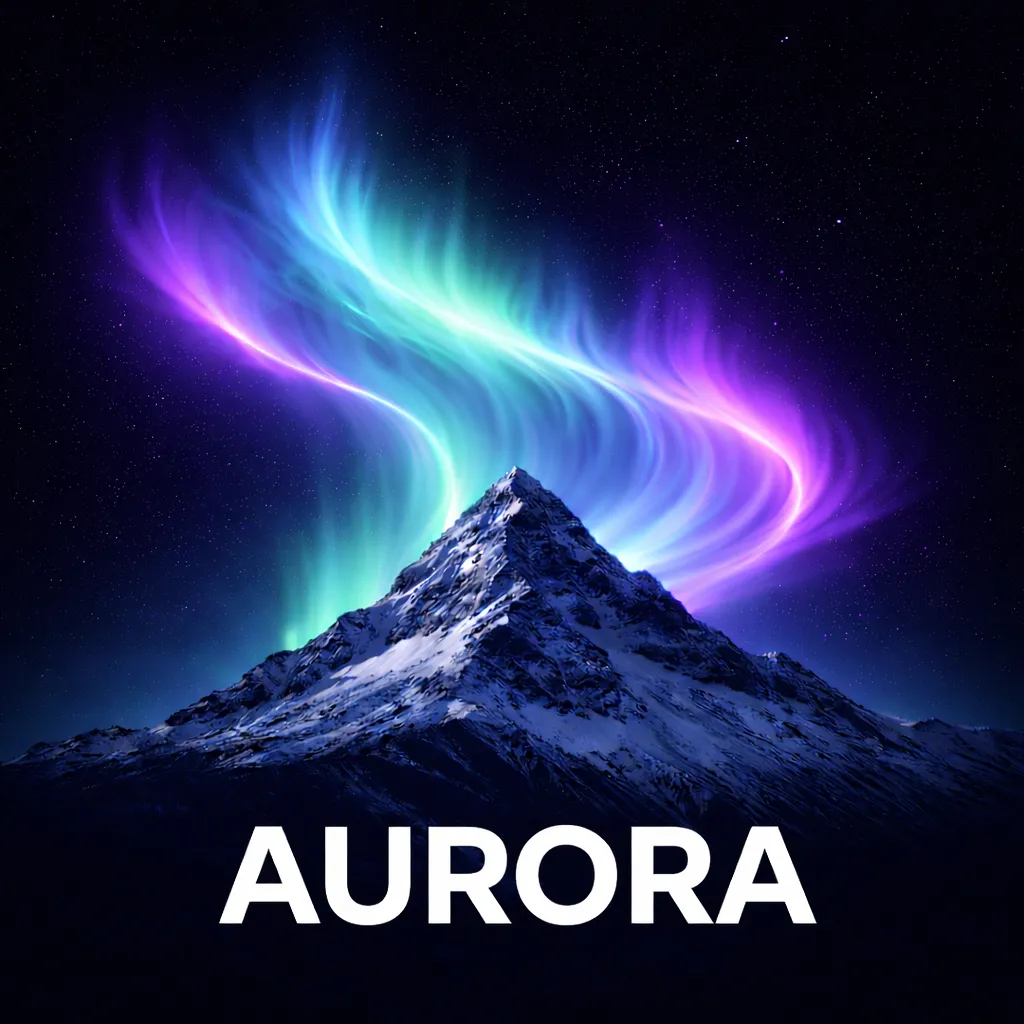
Located at 69° North, Tromsø, Norway, is famously known as the "Gateway to the Arctic" and the undisputed capital of northern lights tourism. Sitting directly beneath the center of the auroral oval, Northern Norway offers some of the highest statistical probabilities of seeing the aurora anywhere on Earth. However, the dramatic fjords and coastal mountains create highly localized weather systems. In this guide, we explore the best season to visit and how to navigate the Tromsø forecast.
How We Reviewed This Guide
- This destination guide is written for readers deciding whether Norway fits their aurora trip and how to plan a realistic chase once they arrive.
- We emphasize local weather behavior, magnetic latitude, and driving practicality because those three variables usually determine whether Tromsø produces a memorable night or a frustrating one.
- Aurora Hunt is mentioned as an optional workflow tool. That mention is first-party, because Aurora Hunt is published by the same team that wrote this guide.
Primary Sources
- Yr / Norwegian Meteorological Institute — Primary local weather reference for Norway.
- NOAA Space Weather Prediction Center — Reference for geomagnetic context and aurora forecasting basics.
Editorial Note
This guide is published by the Aurora Hunt team. References to Aurora Hunt below are included as a disclosed first-party planning workflow, not as an independent review of our own product.
Why Tromsø? The Kp 1 Advantage
If you have read about the Kp index in our other guides, you know that the aurora requires a massive geomagnetic storm (Kp 6+) to reach the middle latitudes of the United States or Europe. In Northern Norway, the rules change entirely.
Because Tromsø sits directly beneath the auroral oval, you only need a Kp index of 1 or 2 to see a spectacular display overhead. You do not need a solar storm; you only need the "background" solar wind to lightly graze the Earth's magnetic field.
Generic space weather apps will stay completely silent during a Kp 2 night, considering it "Quiet." If you rely on these global alerts in Tromsø, you will sleep through some of the best aurora displays of your life.
The Best Season to Visit Norway
Like the rest of the Arctic circle, Tromsø experiences the Midnight Sun during the summer, rendering the aurora invisible from mid-April through August. The primary visiting season runs from September to early April.
September & October: The "Autumn Aurora." You get reflection shots in unfrozen fjords and lakes. Temperatures are milder (around 0°C to 5°C), but autumn storms from the Atlantic can bring heavy rain.
November & December: The "Polar Night." The sun never rises above the horizon, giving you up to 20 hours of darkness. This maximizes your hunting window, but temperatures plummet and heavy snow arrives.
January to March: The "Winter Classic." The snowpack is deep and beautiful for photography. March is often considered the absolute best month, combining high statistical solar activity (the Spring Equinox) with increasingly stable, crisp weather.
Coastal Fjords vs. Inland Valleys
The secret to hunting the northern lights in Norway is understanding the micro-climates. Tromsø is a coastal city. The weather on the coast can be radically different from the weather just one hour inland.
| The Climate | The Coastal Fjords (e.g., Tromsø, Sommarøy) | The Inland Valleys (e.g., Skibotn, Finland Border) |
|---|---|---|
| Weather Patterns | Fast-moving. Clouds roll in and out rapidly from the ocean. Warmer due to the Gulf Stream. | Slower-moving. Often trapped by mountains. Much colder and drier. |
| Aurora Strategy | Wait for gaps in the fast-moving clouds. You often don't have to drive far, just be patient. | If it's clear, it stays clear all night. If it's clouded, you must drive elsewhere. |
Top 3 Chasing Spots Around Tromsø
Professional guides in Tromsø rarely stay in the city. Depending on the cloud radar, they will drive up to three hours in any direction to find a "hole" in the sky. Here are three distinct target zones you should save on your GPS:
An island west of Tromsø with white sand beaches and zero light pollution. Best when inland areas are clouded by trapped snow squalls.
Known as one of the driest places in Norway due to the 'Lyngen Alps rain shadow'. If Tromsø is heavily clouded, Skibotn is often your best bet.
A stunning frozen lake surrounded by jagged mountain peaks. Extremely dark and highly photogenic, but requires careful winter driving.
Forecast Workflow for Norway
The local standard for weather tracking in Norway is the Norwegian Meteorological Institute (Yr.no). Their localized radar data is excellent, and it should be part of your planning even if you use another aurora app for geomagnetic alerts.
A practical Norway workflow is: use Yr to understand the coastal-versus-inland cloud split, then pair that with live aurora context so you know whether the night is worth driving for at all.
If you prefer to combine those inputs in one place, Aurora Hunt is our first-party tool for that workflow. In Norway, the useful part is not just the alert itself, but the fact that the app can reflect Tromsø\'s unusually low Kp threshold and local cloud risk at the same time.
If you want an all-in-one option after checking the local Yr forecast, you can try Aurora Hunt and compare its Norway alerts against your manual planning workflow.
About Aurora Hunt Editorial Team
Space weather writers, product researchers, and aurora chasers
We combine NOAA SWPC space-weather references, operational forecast workflows, and field experience from aurora destinations to turn technical data into practical decisions for travelers, photographers, and first-time chasers.