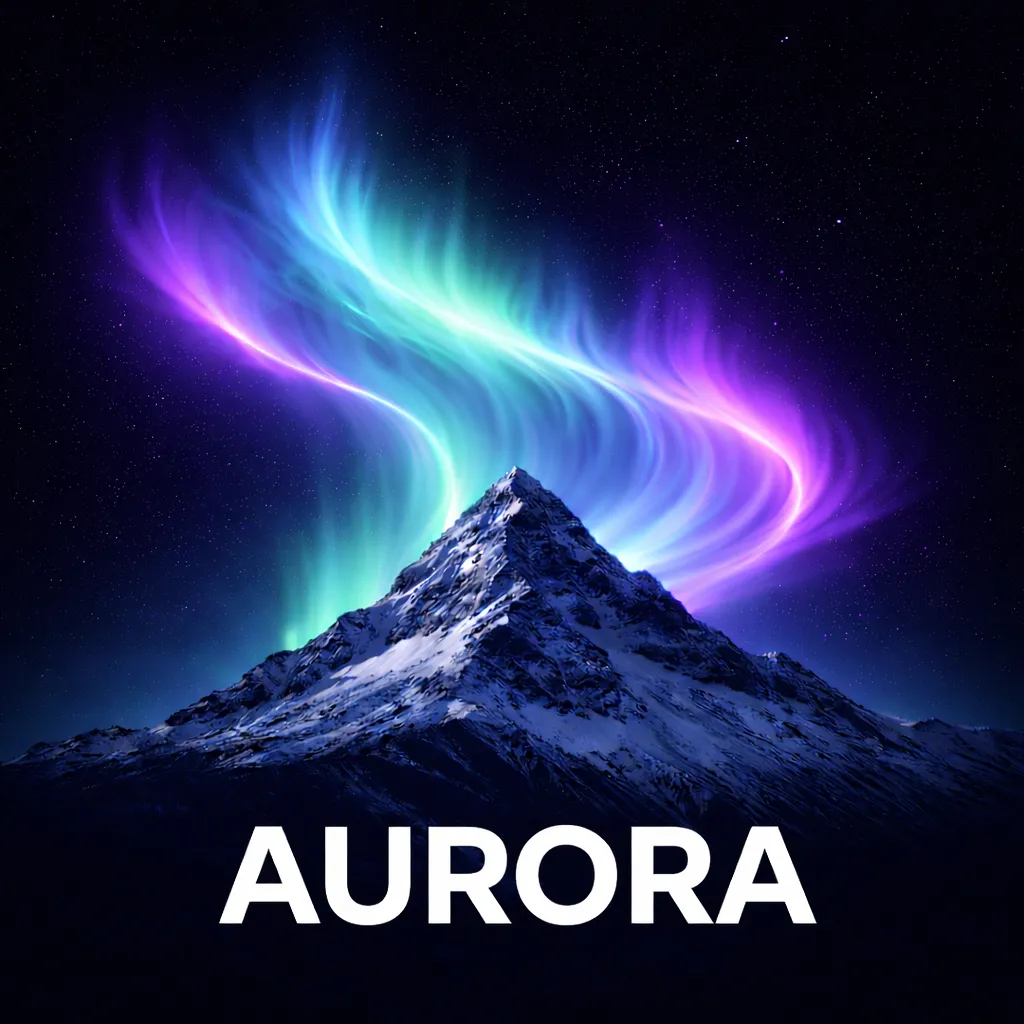
Jasper and Banff can produce spectacular aurora photographs, but they are not guaranteed northern lights destinations. The Canadian Rockies sit south of the most reliable auroral oval, and mountains can block the low northern horizon. Success comes from storm timing, clear valleys, dark lakes and a realistic choice between Jasper, Banff and the Icefields Parkway.
How We Reviewed This Guide
- This guide separates dark-sky beauty from aurora reliability so the Rockies are not presented as a guaranteed northern lights destination.
- Location advice prioritizes northern horizon orientation because mountains can hide low-latitude aurora even under a strong storm.
- Winter road, avalanche and cold constraints are treated as core planning factors, especially for the Icefields Parkway and high viewpoints.
Primary Sources
- Parks Canada: Jasper — Official park access, alerts and visitor information.
- Parks Canada: Banff — Official Banff road, visitor and safety information.
- Space Weather Canada — Geomagnetic forecast context for Canadian viewers.
Editorial Note
Aurora Hunt is our own product. Mentions of Aurora Hunt in this guide are disclosed first-party workflow recommendations rather than an independent editorial ranking.
Local decision check before you chase
Treat every aurora guide as a decision workflow, not as a promise that the lights will appear. Start with the geomagnetic signal, then check whether the active window overlaps true darkness, then decide if cloud cover, moonlight, terrain and safety make the trip worthwhile from your exact location.
For high-latitude destinations a modest Kp can be useful when the sky is dark and clear. For mid-latitude and low-latitude markets, the same number can be meaningless unless Bz stays southward, the storm arrives during local night and the northern or southern horizon is unobstructed. This is why Aurora Hunt pages separate routine aurora regions, rare storm-visible regions and southern-light locations.
After any observation, compare the time, viewing direction, camera settings and local weather with magnetometer and solar-wind data. That habit prevents common false positives: city glow, thin cloud, airglow, lens colour shifts and social-media reports that were recorded hundreds of kilometres away.
- Kp and short-term trend
- Bz direction and solar-wind speed
- Cloud cover and moonlight
- Open horizon and dark-sky safety
Rockies Aurora Reality Check
The Canadian Rockies are visually perfect for aurora photography and imperfect for aurora reliability. Jasper and Banff are darker than most populated places, but they sit well south of Canada's most dependable aurora belt. A quiet night that would show lights in Yellowknife may show nothing in Banff. For the Rockies, you usually need a geomagnetic storm, a favorable Bz, true darkness and clear mountain weather.
The second problem is terrain. Lower-latitude aurora often appears near the northern horizon. The Rockies are full of peaks that can block exactly that part of the sky. A famous lake may be useless if the view north is sealed by a ridge. A less famous pullout with a cleaner northern gap may be better. This is why Rockies aurora planning is not just "go to a dark lake." It is a geometry problem.
That said, when the conditions align, the reward is extraordinary. Green or red aurora above frozen lakes, snow peaks and dark valleys can create some of the best aurora images in North America. The goal is to pursue those nights honestly, not to oversell the parks as routine aurora destinations.
Trip positioning matters too. If you are choosing between a dedicated northern lights trip and a Rockies holiday, go north for reliability and choose the Rockies for landscape upside. If you are already flying through Calgary or Edmonton, the parks become worthwhile when a storm watch is active. This is the right way to frame the destination: not as a substitute for the auroral oval, but as one of Canada's most beautiful places to respond when the oval expands south.
Why Jasper Is the Stronger Choice
Jasper is the better Rockies aurora base for most people. It is farther north than Banff, darker, and protected by a strong dark-sky identity. The town has enough services to make winter viewing practical while still giving quick access to lakes and valleys outside the main light dome. Pyramid Lake, Patricia Lake, Maligne Lake and other open areas can all work depending on road conditions and cloud.
Jasper's advantage is not just darkness. It has more space to spread out, less intense urban glow than Banff, and several north-facing or open-sky compositions. During a Kp 5 or stronger event, Jasper can show a low arc, pillars or camera-visible color. During stronger storms, the aurora can climb above the mountains. For photographers, this is the sweet spot: enough infrastructure to operate safely, enough wilderness to create dramatic scenes.
| Rockies area | Best use case | Likely trigger | Main risk |
|---|---|---|---|
| Jasper | Primary Rockies aurora base | Kp 4-5+ with clear north | Mountain cloud and blocked horizons |
| Banff | Severe-storm scenic attempt | Kp 5-6+ | Light, crowds and lower latitude |
| Icefields Parkway | Advanced dark-sky photography | Kp 5+ and stable roads | Remote winter hazards |
| Bow Valley lakes | Accessible foregrounds | Strong storm with open sky | Wrong lake orientation |
Banff: Beautiful but Harder
Banff is more famous and often less practical for aurora. The town is brighter, the valleys are busier, and the latitude is slightly less favorable. Lake Minnewanka and Two Jack Lake can work because they offer broad water and mountain foregrounds, but they need a stronger storm than Jasper. A faint display may be hidden by the peaks or washed out by local glow. Banff is best treated as a scenic storm attempt when you are already in the area, not as the first choice for a dedicated aurora trip.
Lake Louise, Moraine Lake and other iconic landscapes come with additional complications: seasonal road closures, parking restrictions, avalanche terrain, and horizon orientation. A location can be famous for sunrise and still poor for a low northern aurora. Before driving, use a map to confirm where north actually sits and whether the mountains leave enough sky open.
Icefields Parkway and Remote Darkness
The Icefields Parkway is one of the darkest and most dramatic roads in the Canadian Rockies. It can produce exceptional night-sky images when weather and road conditions are stable. It is also not a casual aurora chase route. The road is long, unlit, remote and exposed to severe winter conditions. Services are limited, wildlife can appear suddenly, and weather can change faster than expected.
Use the Parkway only if the full plan is safe: good road reports, winter tires, warm gear, fuel margin, known pullouts and a clear return strategy. If the storm is strong but the road is questionable, choose a safer Jasper or Banff location. The aurora will not compensate for a dangerous drive.
The stronger Rockies aurora base because it is darker, farther north and protected as a major dark-sky preserve.
Useful Jasper options with water foregrounds and relatively open sky when the northern horizon is not blocked.
Banff-area options that can work during strong storms, though local light and mountain orientation must be checked.
Extremely dark and scenic, but remote, unlit and risky in winter. It is not a casual midnight drive.
Higher or broader viewpoints can help, but wind, snow and avalanche terrain make safety the first filter.
Lake Orientation and Mountain Horizons
In the Rockies, the best aurora site is often the one with the least obstructed northern sky. Lakes are useful because they create open foregrounds, but only if they face the right direction. A lake with mountains immediately north may be beautiful and still hide the aurora. A broad valley, reservoir or roadside clearing may perform better during a low event.
For weak to moderate storms, assume the display will be low. Use a compass app before dark. Walk the site in daylight if possible. Identify where the northern horizon is, where headlights will pass, and where you can stand safely without stepping onto unsafe ice or avalanche terrain. During a severe storm, the aurora can rise high enough that orientation matters less. Most nights are not severe storms.
Weather, Roads and Safety
Mountain weather is the biggest spoiler. A forecast for Banff town does not guarantee clear sky at Lake Louise, Bow Summit or Jasper. Low cloud, snow showers and valley fog can vary over short distances. Check webcams, satellite cloud, road reports and current observations before committing. If one valley is clouded, another may be clear, but do not let the chase push you into unsafe roads.
Winter adds real constraints: ice, snow, avalanche closures, wildlife, fatigue and cold. Stay on legal roads and established viewpoints. Do not walk onto frozen lakes unless conditions are officially known and safe. Carry layers, traction, lights and emergency supplies. Rockies aurora photography often happens late, cold and far from services; plan like the night may end without a photo.
Daylight scouting is unusually valuable here. A five-minute daytime stop can tell you where north sits, whether a pullout is legal, how close the lake edge is, and whether the mountain skyline blocks the low sky. It also helps you avoid walking into avalanche terrain, closed trails or wildlife corridors after dark. If you have not seen the site in daylight, choose a conservative roadside viewpoint over an ambitious backcountry composition.
Jasper and Banff are excellent storm-photography destinations, but they are not substitutes for Yellowknife, Churchill or the Yukon if your only goal is high aurora probability.
Rockies Forecast Workflow
Start with the storm. For Jasper, Kp 4 can sometimes be interesting, but Kp 5 or higher is a better practical trigger. For Banff, be more conservative and wait for stronger evidence. Live Bz matters: sustained southward Bz can turn a marginal forecast into a real display. Next, check cloud and valley orientation. Choose the clearest site with a north-facing gap rather than the most famous lake.
When you arrive, take a camera test. Rockies aurora can be photographic before it is obvious to the eye. If a short exposure shows green or red near the northern horizon, stay patient. If cloud is moving in or Bz has turned north, consider ending the night before roads become more dangerous. The best Rockies chase balances ambition with restraint.
Use Jasper as the stronger base, Banff as a severe-storm bonus, and the Icefields Parkway only when roads and weather are clearly safe. Aurora Hunt can help with live storm timing, but mountain horizon and cloud decide the shot.
About the Author
AuroraHunt Space Weather Team
The AuroraHunt data science and meteorology team translates complex NOAA space weather models into actionable forecasts for chasers worldwide.